Client Work
How Designers and Agencies Use Framer Templates to Deliver Faster
See how designers, developers, and agencies can use Framer templates to speed up client work without sacrificing quality.

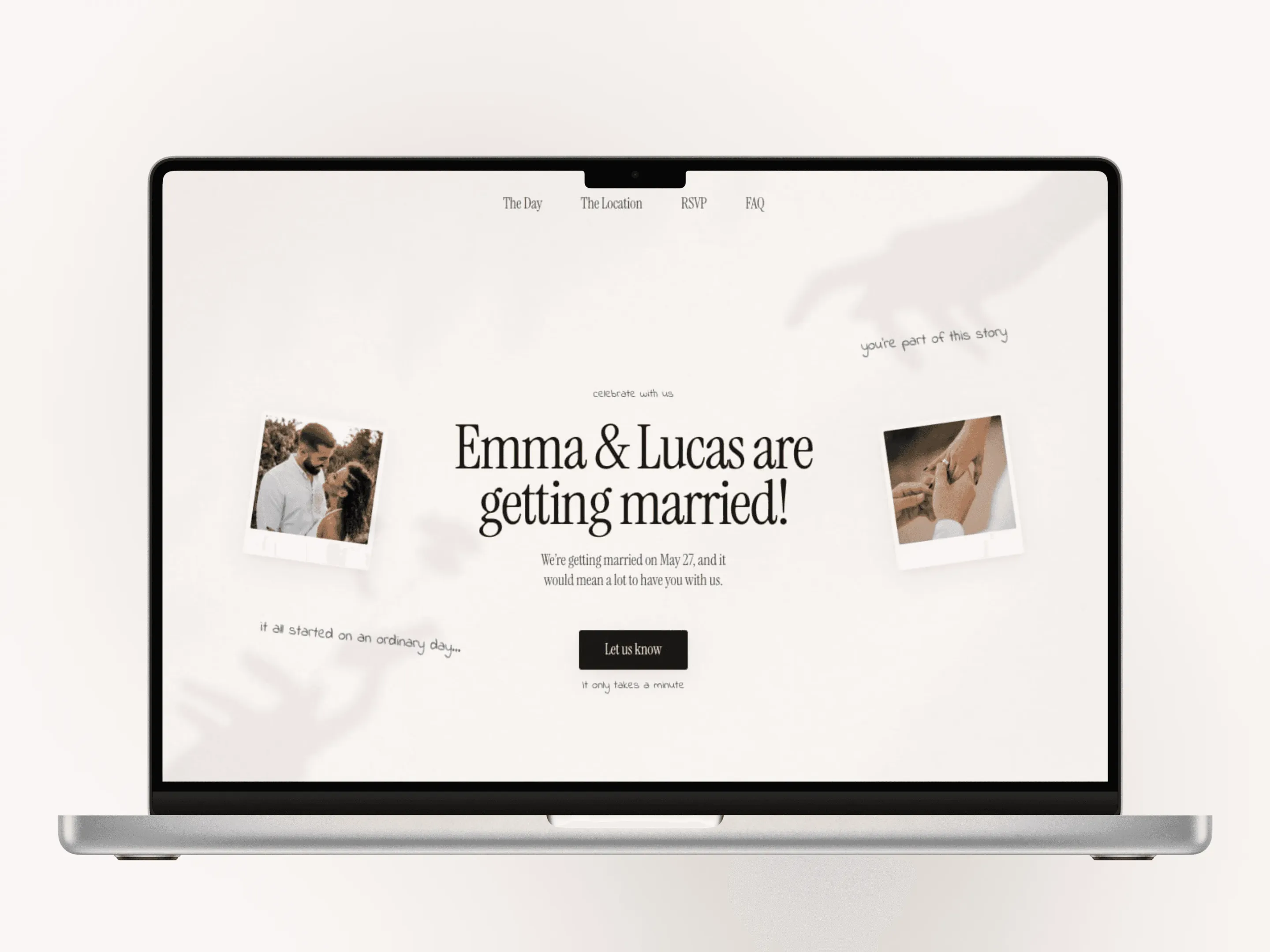
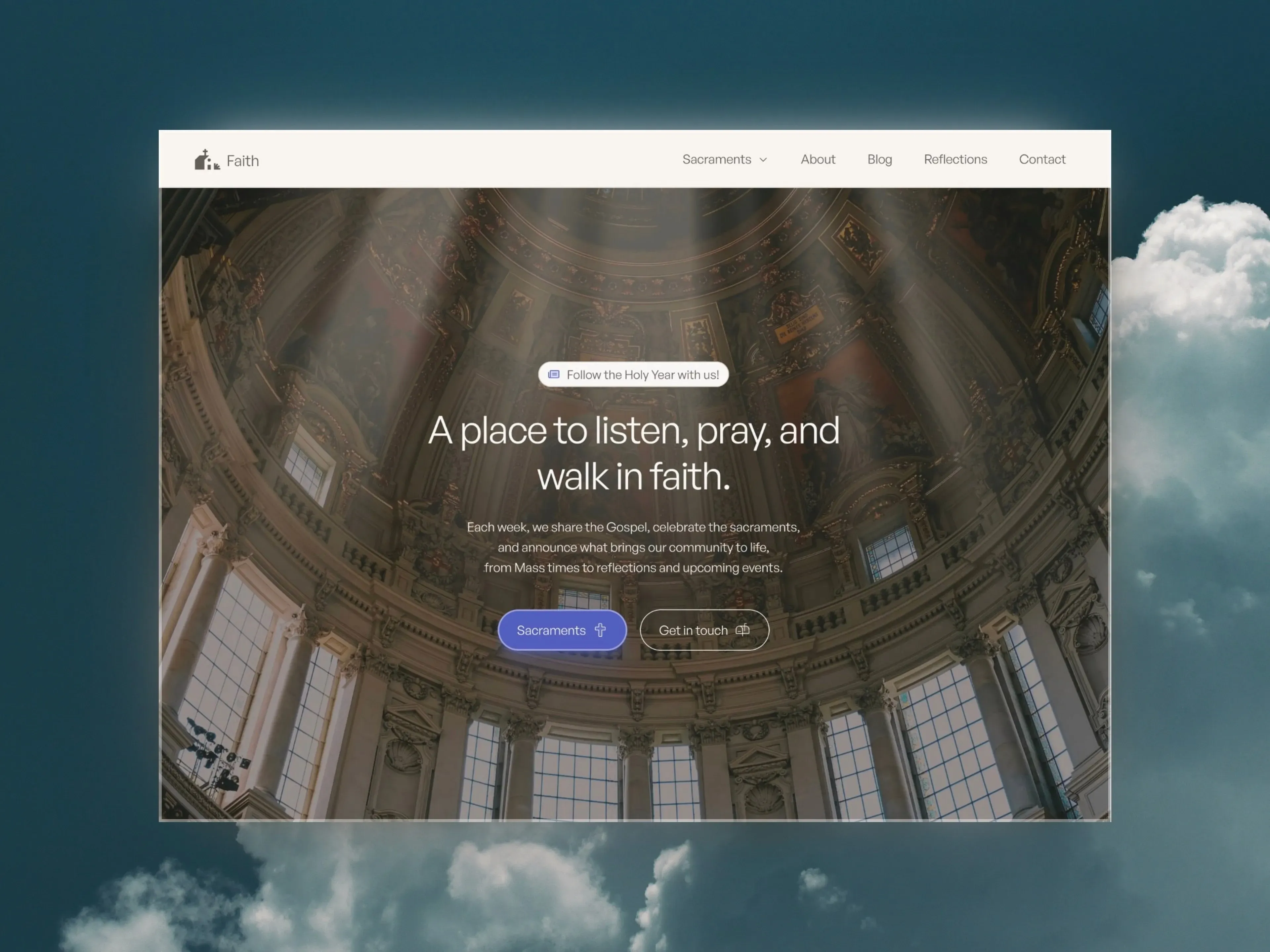
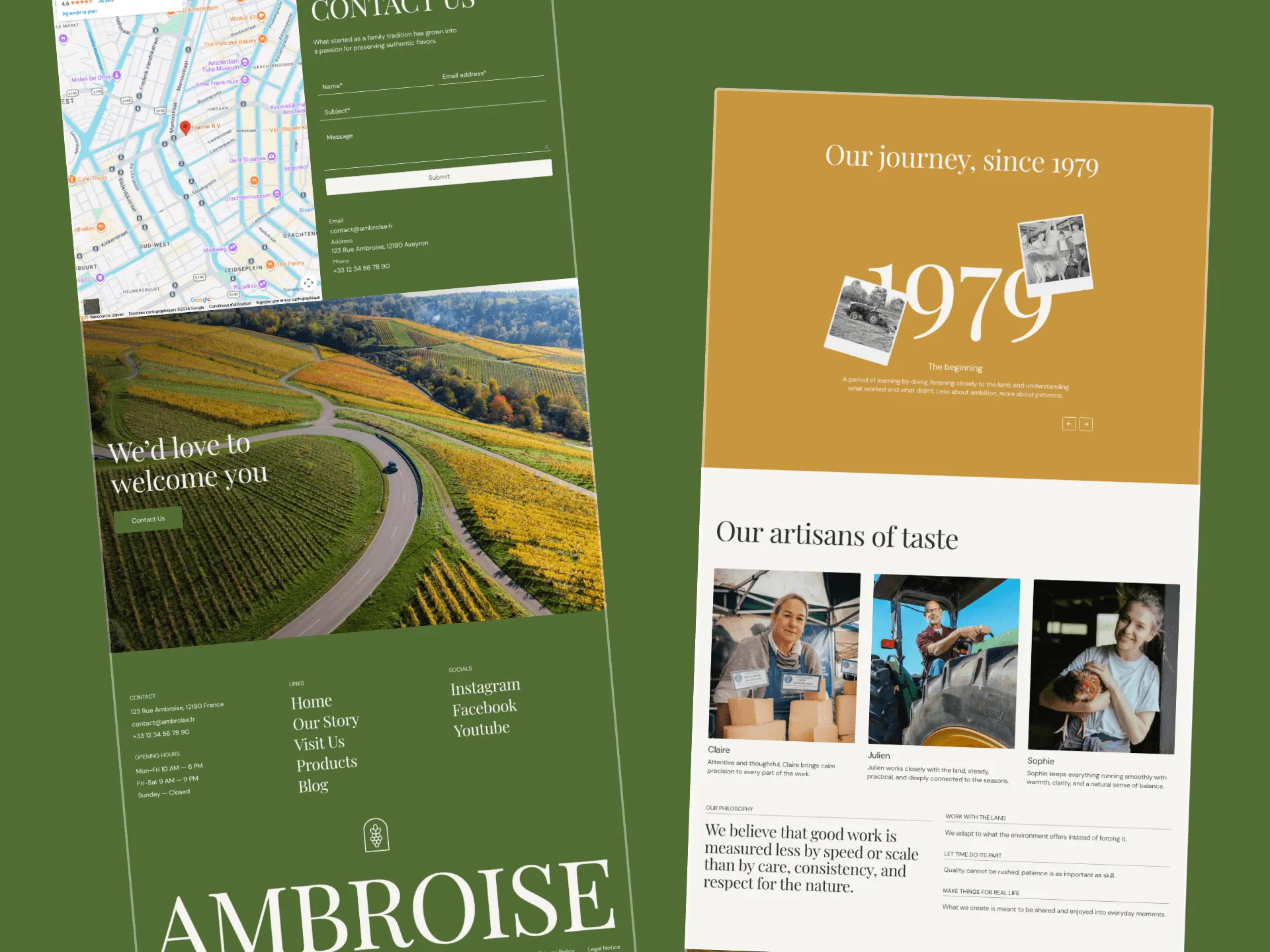
Framer templates are often seen as tools for founders, makers, and solo builders. But they can also be extremely useful for designers, developers, and agencies who want to speed up client work without starting every project from a blank canvas.
The key is to treat a template as a foundation, not a finished identity.
Templates reduce setup time
Every client website has hidden setup work: page structure, navigation, responsive grids, CMS collections, reusable components, forms, interactions, and basic content flow. This work is important, but it is not always where your highest-value thinking happens.
A strong Framer template handles much of that foundation early. That means you can spend more time on strategy, content, brand expression, conversion, and client-specific details.
They help clients see progress faster
Clients often struggle to react to abstract wireframes or long discovery documents. A polished template can help you present a credible direction earlier in the process. You can show structure, rhythm, and page flow before everything is fully custom.
This does not mean delivering a generic site. It means using an existing system to create momentum and make decisions easier.
They pair well with AI workflows
AI can help agencies move faster, but it works best when there is a clear structure to work from. A Framer template gives AI a better foundation for rewriting sections, generating variations, adapting copy to a niche, or creating supporting content.
Instead of asking AI to invent the whole website from scratch, you can use it to customize a real design system. That usually creates better results and fewer loose ends.
They can protect margins
For smaller client projects, the biggest risk is spending too much time on repeated production work. Templates help reduce the hours spent on setup and layout decisions, which can make projects more profitable without lowering quality.
This is especially helpful for landing pages, small business websites, product pages, portfolios, resource hubs, and early-stage startup sites.
The final result still needs your judgment
A template does not replace the designer or developer. It gives them a head start. You still need to adjust the messaging, refine the hierarchy, remove unnecessary sections, adapt the visual system, connect the right content, and make sure the result fits the client's goals.
That is where professional judgment matters most.
Use templates as accelerators
The best client workflows are not about shortcuts. They are about removing repetitive friction so you can focus on the work that actually changes the outcome.
Doctus Themes creates Framer templates for that kind of workflow: polished foundations that help you start closer to launch, whether you are building for yourself or delivering for a client.
Use Doctus as your client-work shortcut
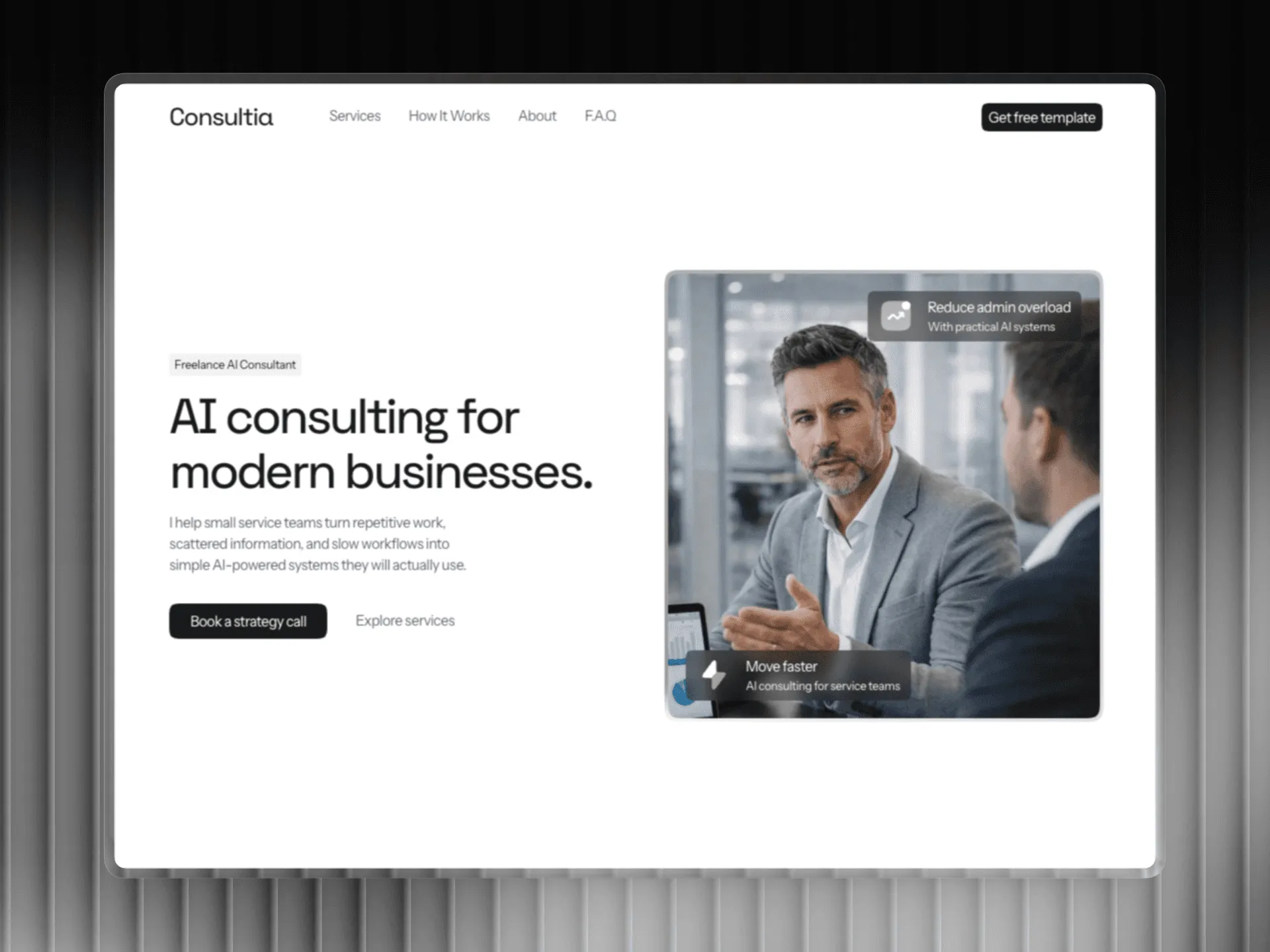
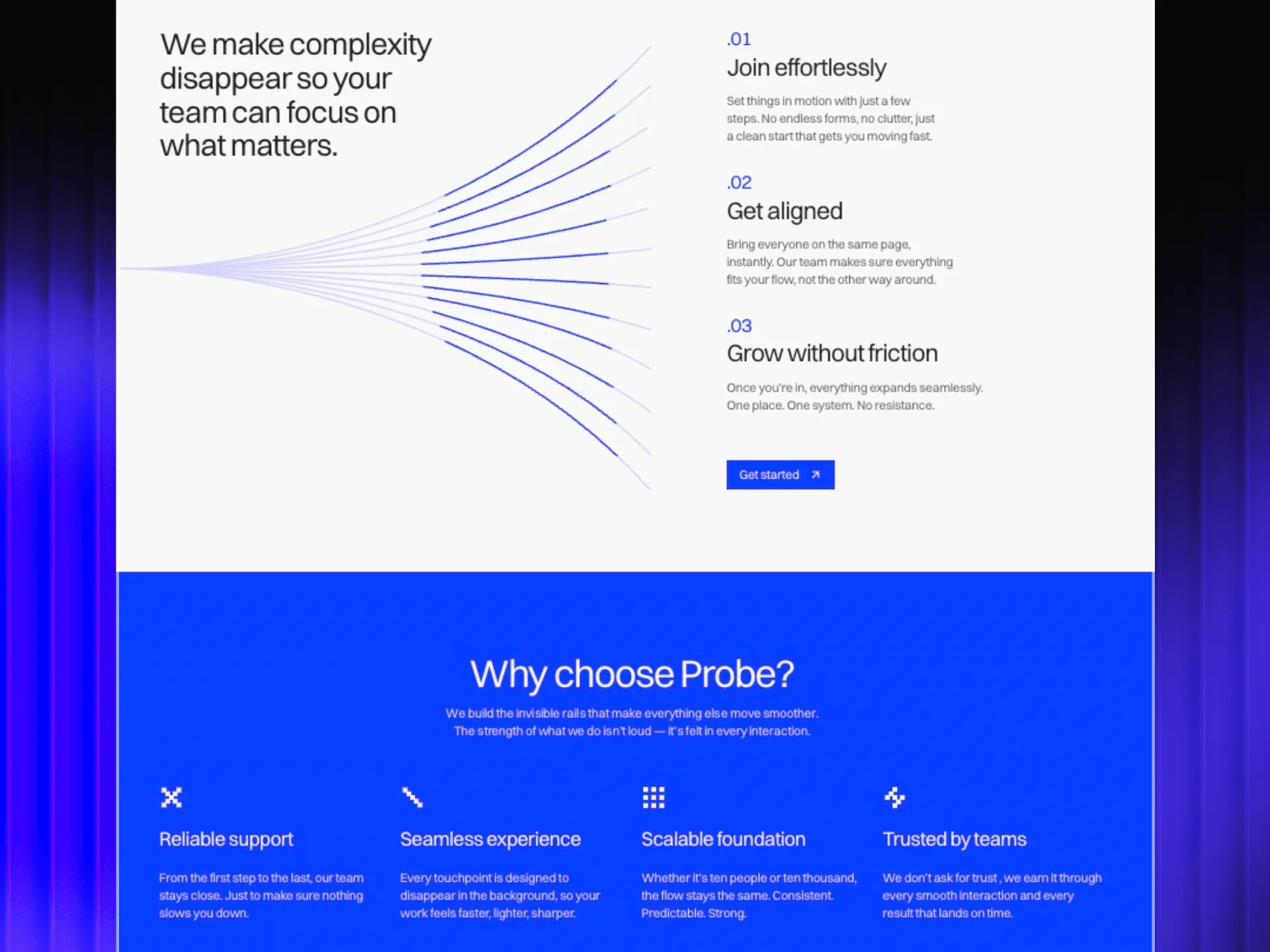
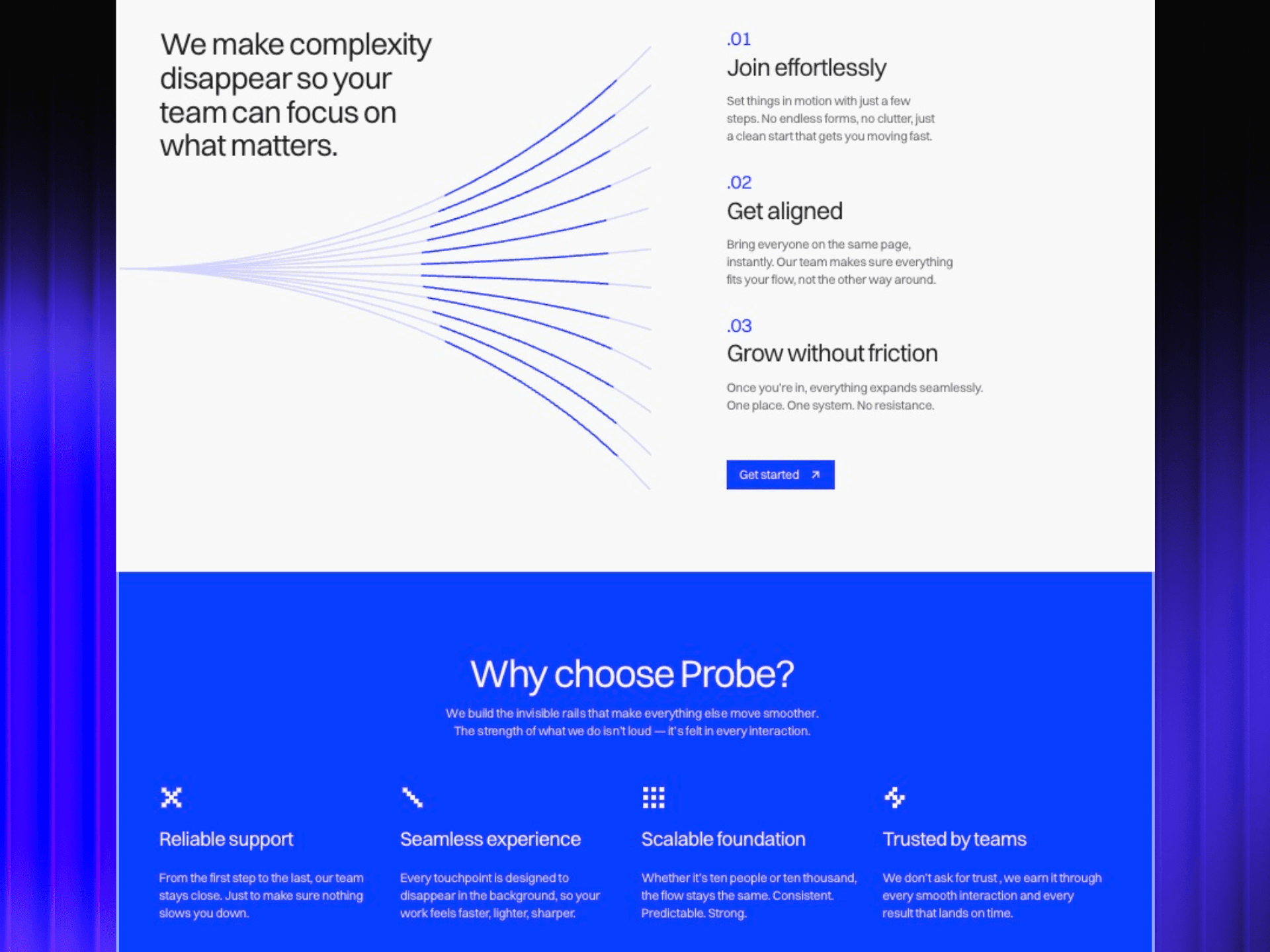
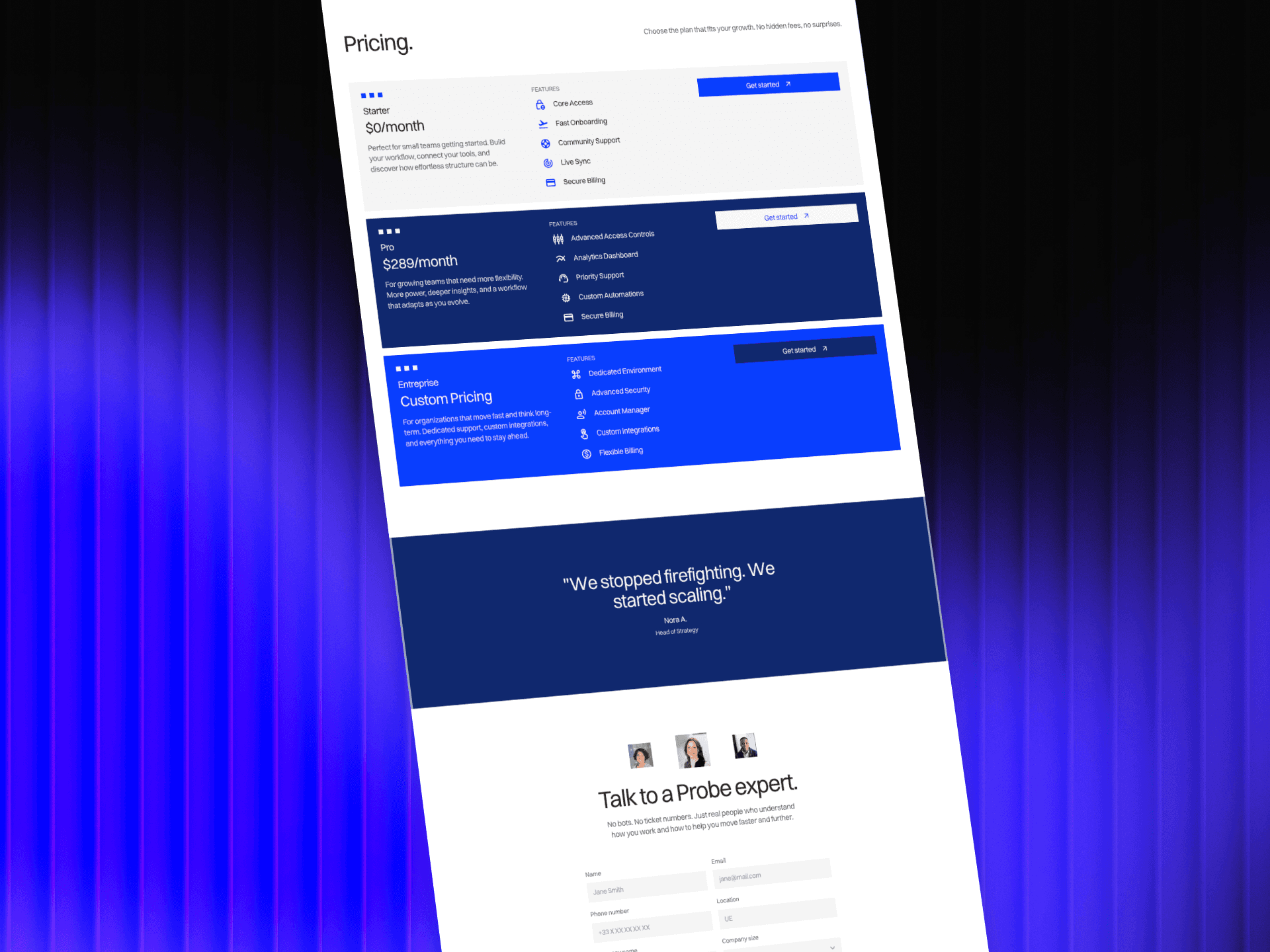
Start a consulting or service client project with Consultia, use Probe for SaaS, AI, and tech clients, or choose Launching when a fast waitlist or launch page is the priority.