Framer Templates
What Makes a Good Framer Template?
Learn what separates a good Framer template from a generic one, from copy and structure to CMS, responsiveness, and polish.
A good Framer template is not just a beautiful preview. It is a website foundation that can survive real use: real content, real visitors, real business goals, real mobile screens, and real editing needs.
That difference matters. Many templates look impressive at first glance, but become harder to use once you start replacing the copy, changing sections, adding CMS content, or adapting the design for a specific niche.
It starts with clear structure
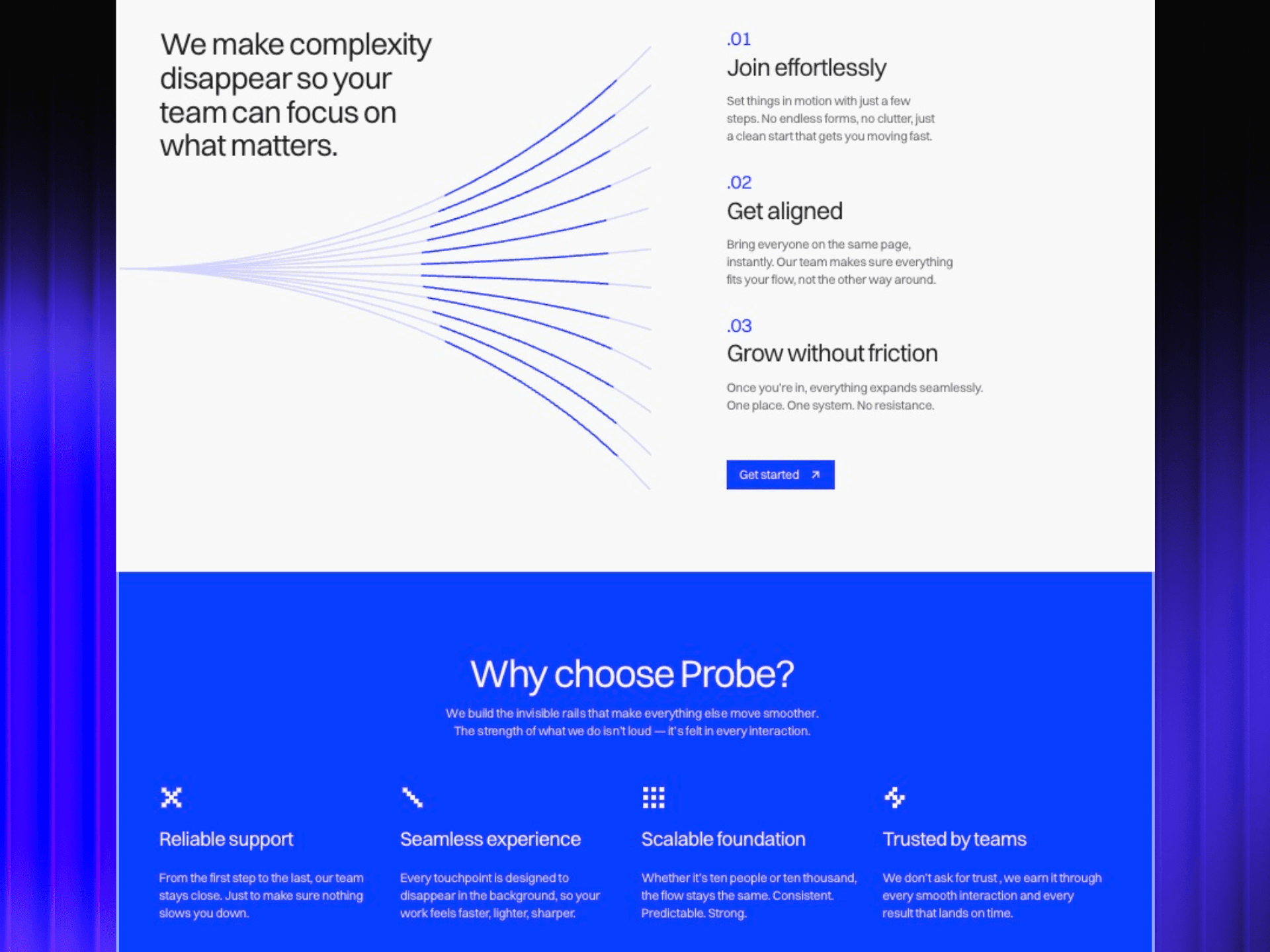
The best templates have a page flow that makes sense. The hero communicates the value quickly. The supporting sections answer real questions. The navigation feels natural. The layout guides attention instead of simply filling space.
Good structure saves time because you are not rebuilding the logic of the page. You are refining something that already has direction.
The copy should be close to real use
Placeholder text can make a template look clean in a preview, but it does not help you launch. Strong templates include copy that feels close to a real website, so you can adapt it instead of writing every section from zero.
This is especially useful for founders and makers who do not want to spend days figuring out what each section should say. It is also useful for agencies because better starting copy can speed up client reviews.
Responsiveness should already be handled
A template should not only look good on a large desktop screen. It should feel considered on mobile, tablet, and desktop. Spacing, typography, buttons, cards, images, and CMS lists all need to behave properly across breakpoints.
If you need to rebuild every responsive layout after remixing a template, the template is not saving as much time as it should.
The CMS needs to be practical
When a template includes blog posts, products, case studies, resources, or directories, the CMS structure should be clear and easy to update. Good field names, clean slugs, useful categories, and flexible content areas make the template much easier to maintain.
A polished CMS setup also helps when you plan to scale the website over time.
Originality and flexibility should work together
A template should feel distinctive, but not locked. If every design decision is too rigid, customization becomes painful. If everything is too generic, the final website looks like every other template online.
The sweet spot is a template with its own personality, built with enough flexibility to adapt to different brands, offers, and audiences.
Details create confidence
Good spacing, consistent components, thoughtful interactions, clear hierarchy, useful guides, and clean page organization all make a template feel easier to trust. These details are not decorative. They reduce friction when you are trying to launch.
That is what Doctus Themes focuses on: Framer templates that are polished enough to launch, flexible enough to customize, and structured enough for real projects.
See the difference in a real template
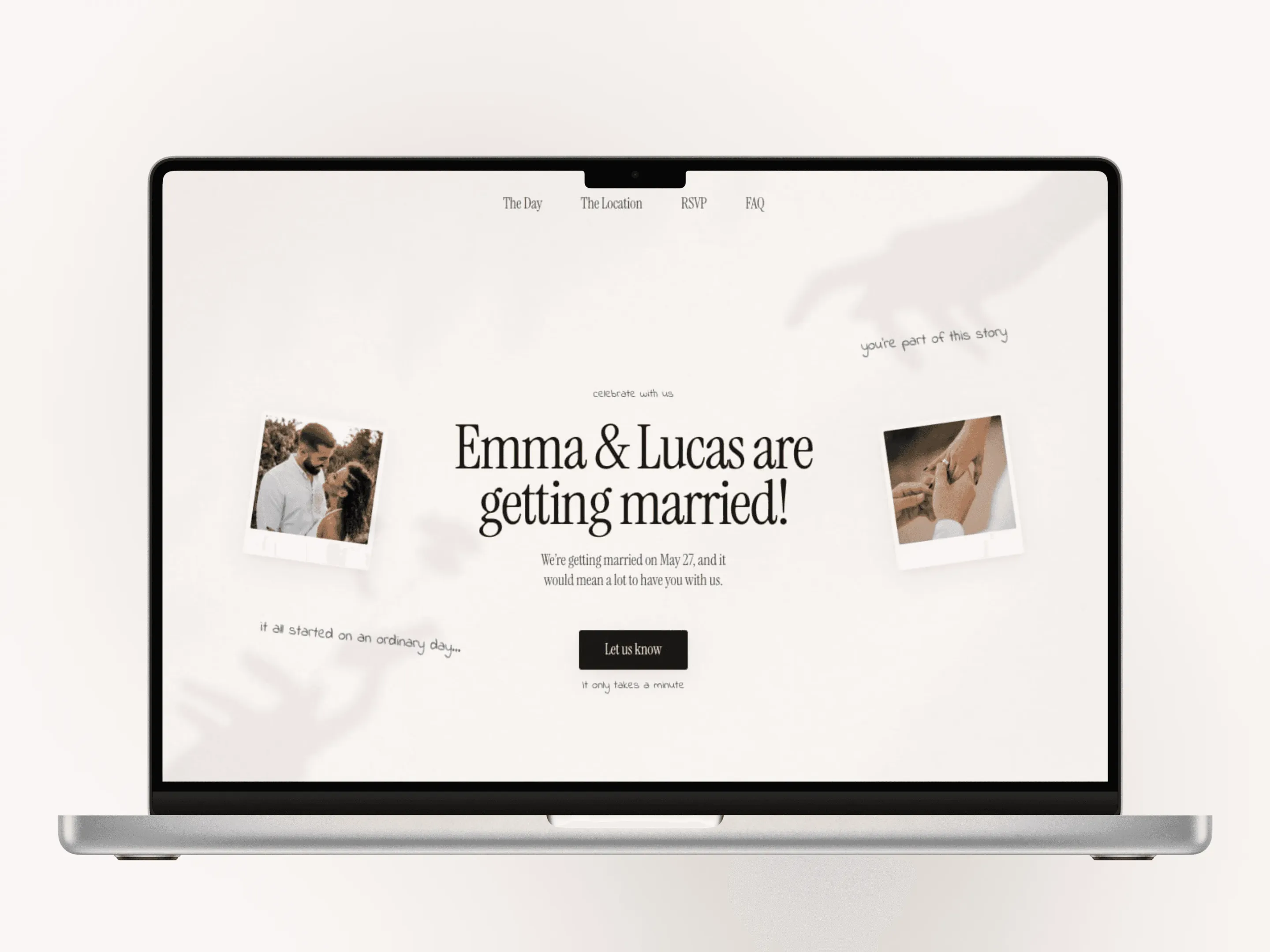
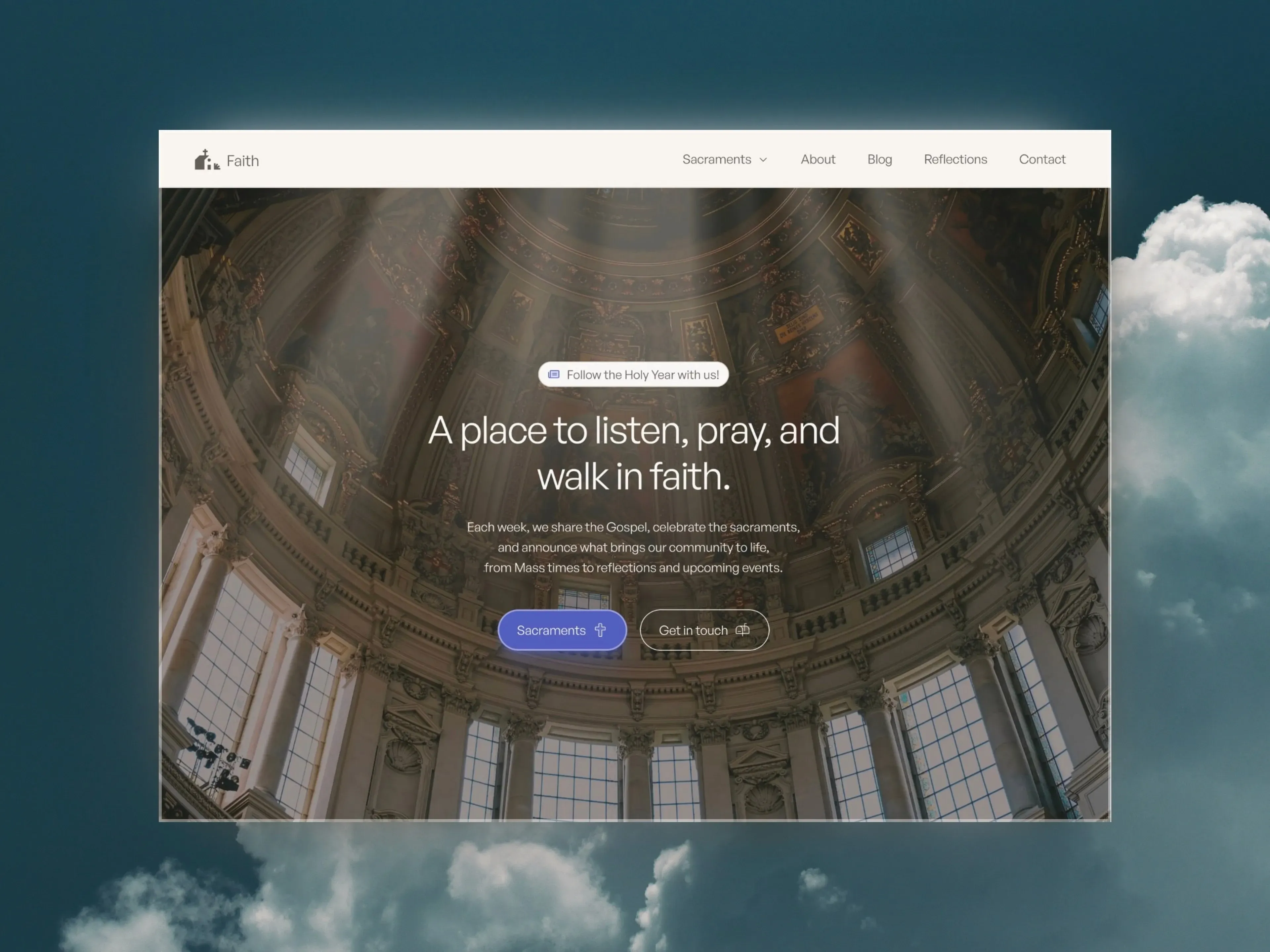
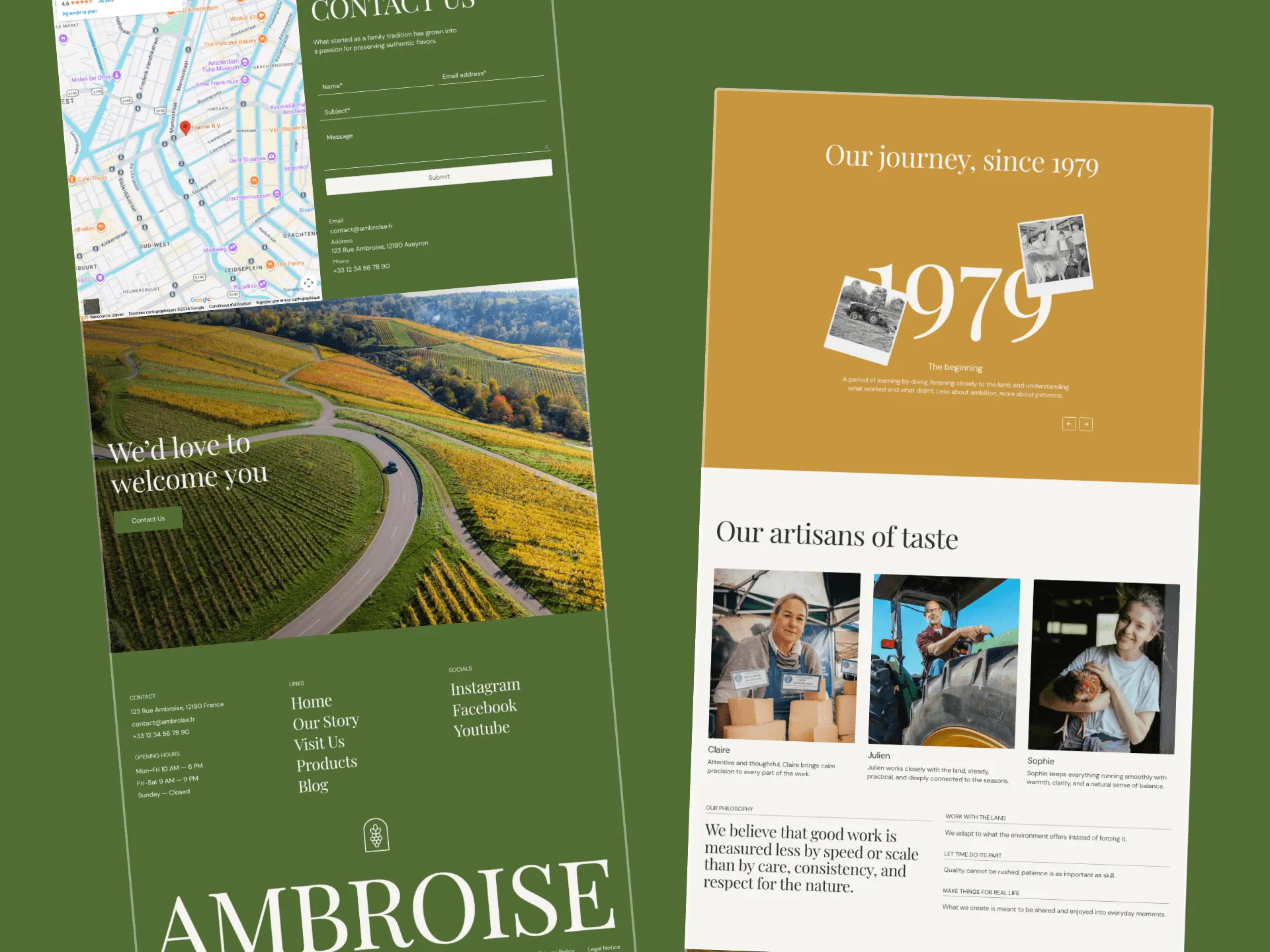
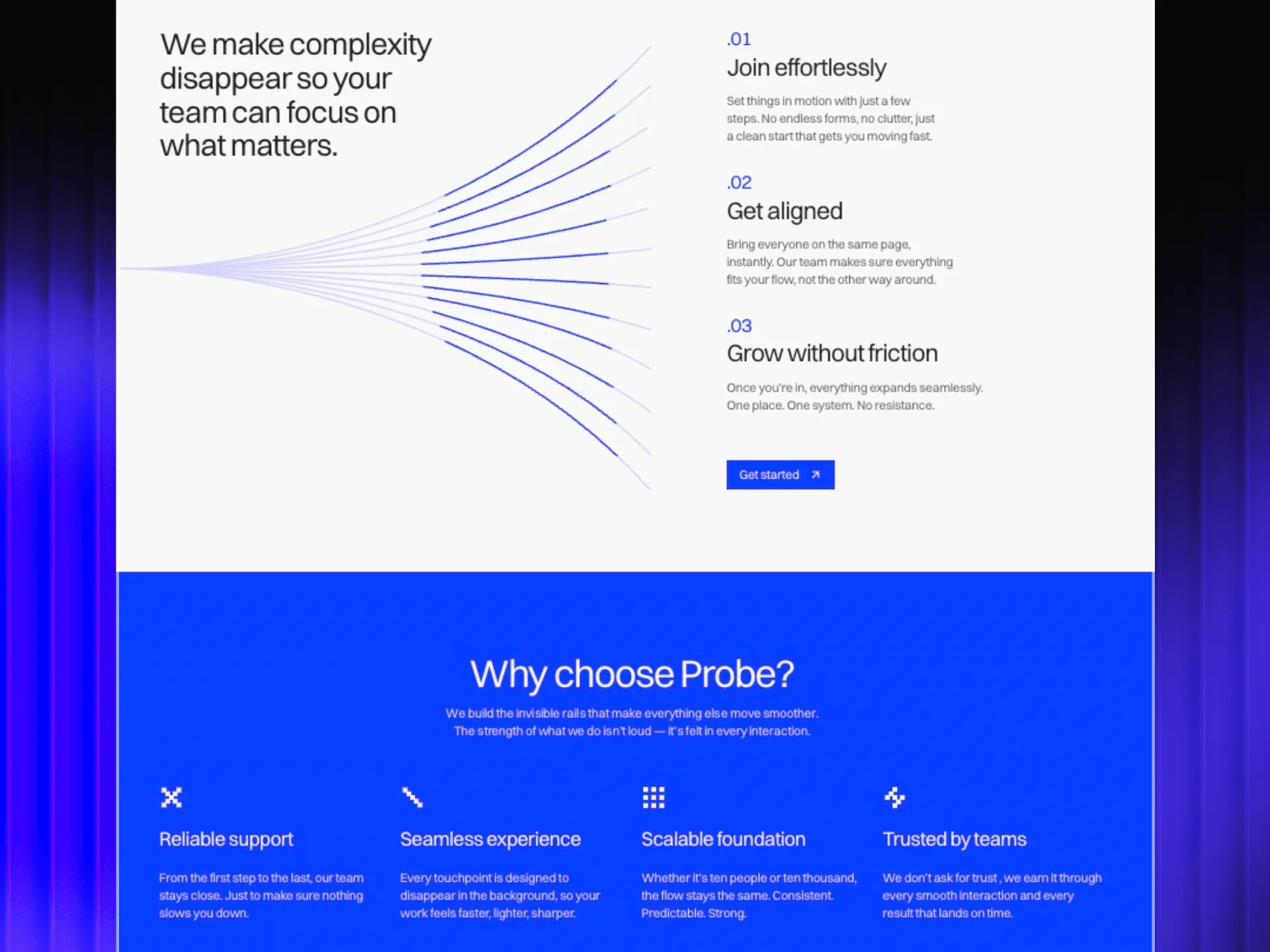
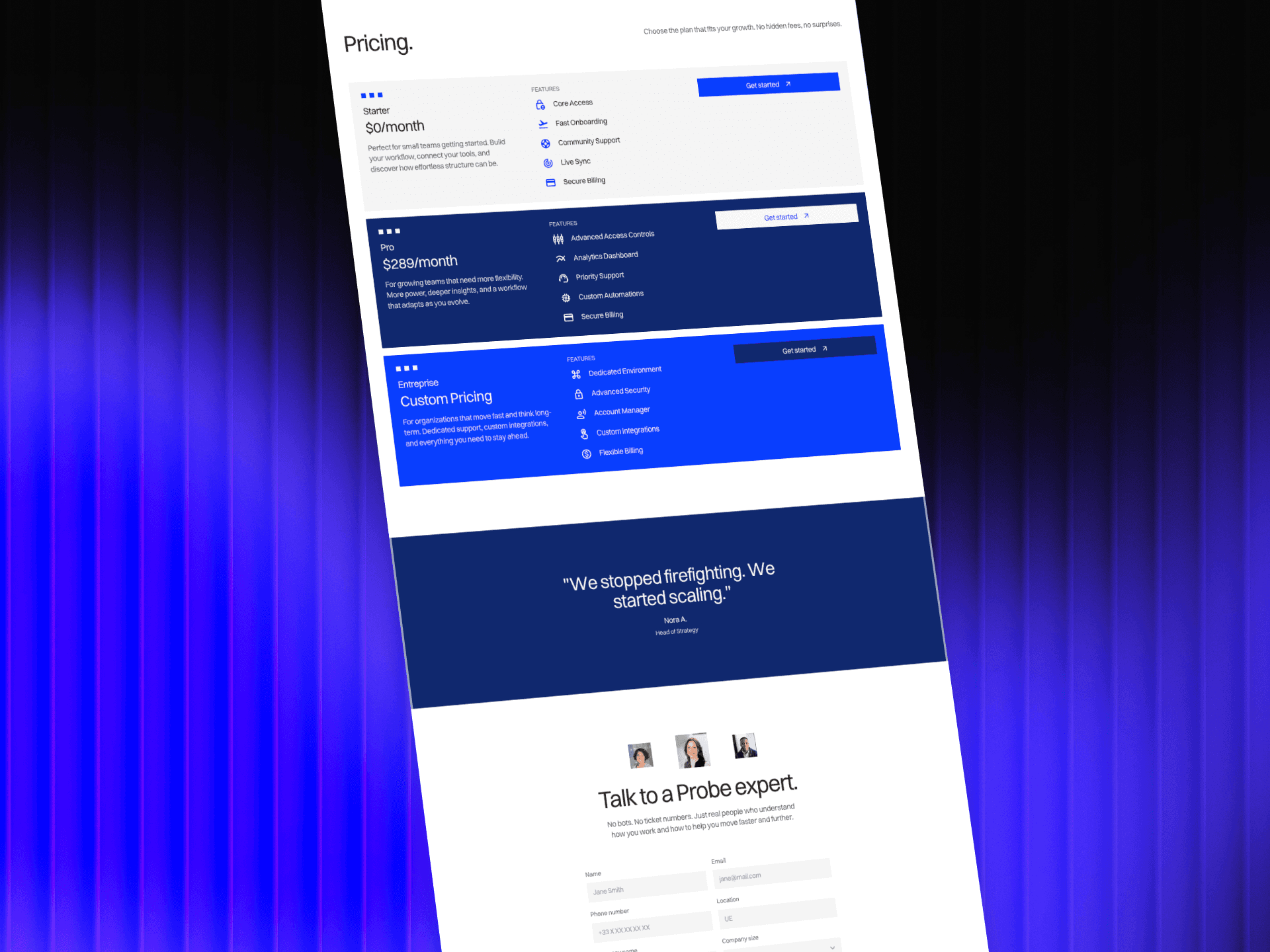
Explore Probe, Consultia, or Launching to see how structure, copy, responsive sections, CMS fields, and launch-ready details come together inside a Doctus template.